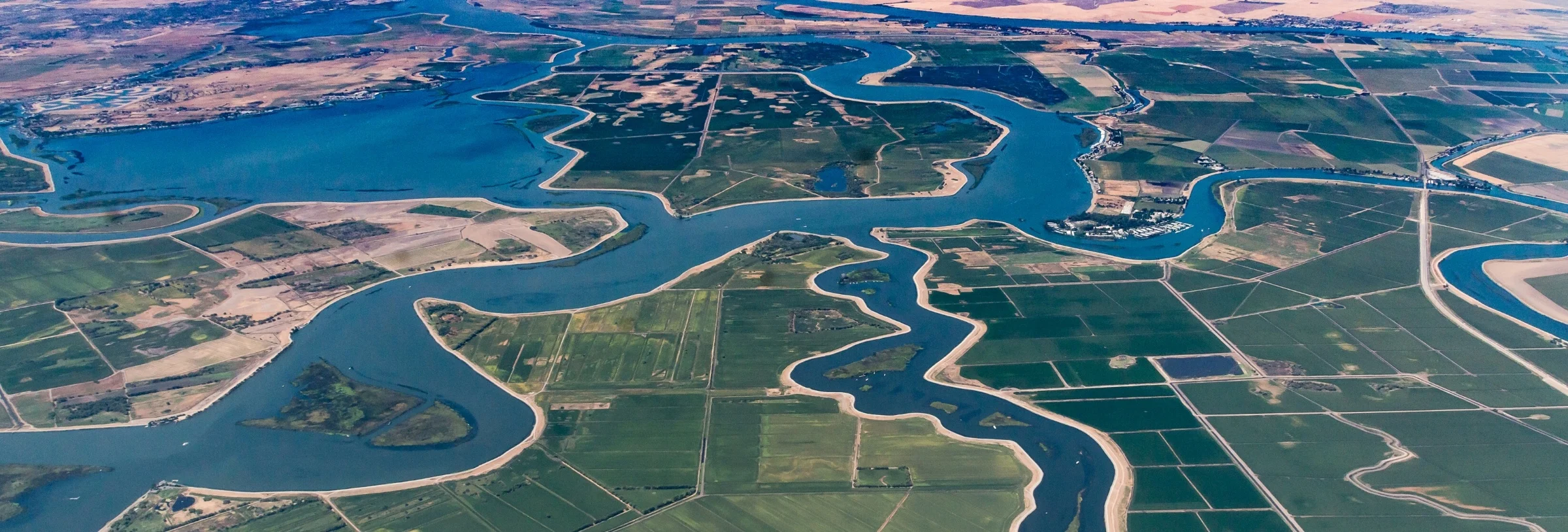
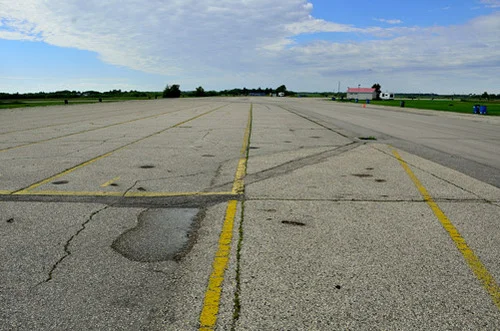
On January 21, 2026, the California Department of Water Resources (DWR) published its Best Management Practices of the Sustainable Management of Groundwater – Land Subsidence (Subsidence BMPs). The press release details the importance of addressing subsidence, which costs Californians hundreds of millions of dollars annually, largely through damaging public infrastructure and reducing water deliveries.
Background
Subsidence is the process of land sinking. In the water context, it is generally caused by removing groundwater quicker than it is replenished, which essentially leads to the ground being compacted due to the loss of support (see section 4.2 of the Subsidence BMPs for more information).
According to the BMPs, subsidence in California is a significant issue largely because it leads to damage to infrastructure and permanent loss of underground water storage. As detailed section 4.5, a 2014 study showed that subsidence in California caused billions of dollars in damages “to water conveyance, flood control, transportation infrastructure and groundwater wells”.
Subsidence-induced issues were one of the key drivers that led to the passage of the Sustainable Groundwater Management Act (SGMA). SGMA, which is California’s attempt to address the harms caused by overpumping, includes subsidence as one of the six “undesirable results” that the framework is designed to minimize/avoid.
The Subsidence BMPs, which were largely developed to assist with implementation of SGMA, comes on the back of two studies released by DWR in 2025. The first (press release, report), details the impacts of subsidence on State Water Project deliveries (one of the two key water delivery systems in California) and concludes that deliveries (i.e., the amount of water that can be sent from northern to central and/or southern California) could be reduced by up to 87% by 2043. The second (press release, report) looks specifically at the San Joaquin Valley area and also addresses reduced deliveries from the federal Central Valley Project (the other primary water delivery system).
The Report
The Subsidence BMPs provide a substantial amount of information. They detail the objectives; uses and limitations; relationship between subsidence and other BMPs; land subsidence fundamentals; subsidence in the SGMA context and provide six appendices providing additional detail.
The two most essential parts of the Subsidence BMPs are the technical assistance and management recommendations.
The technical assistance section “provides assistance and tools to monitor conditions related to subsidence, identify at-risk and affected infrastructure, estimate critical head groundwater level and conduct numerical modeling”. It details monitoring, identifying infrastructure, estimating critical head (i.e., the level below which subsidence begins) and numerical modeling.
The management section details “[a]ctions to understand, manage and limit land subsidence”. They generally focus on monitoring, evaluating key data, taking steps to raise groundwater levels and Projects and Management Actions. It also provides guidance on addressing subsidence regionally and engaging with interested parties. Last, it provides four different theoretical scenarios based on the different combinations of (A) no or (B) some subsidence and (1) groundwater levels above or (2) below historical levels.

 Associate
Alex Van Roekel provides counsel to clients on state and federal water law issues, including compliance with statutory and regulatory requirements, litigation strategy in both state and federal court and public policy within the ...
California Water Views provides timely and insightful updates on the water sector in the state. We relay information on how water legislation and policy from the nation’s capital, Sacramento, and around the U.S. affect California’s water utilities, agencies, practitioners, and consumers. We also write about important events, conferences, legal cases, and other key happenings involving all things water in and around California.
Stay Connected
 RSS Feed
Categories
- Artificial Intelligence
- Bonds
- California Regulation & Policy
- California Water Policy
- California Water Views 2026 Outlook
- Clean Up of Groundwater & Contaminated Media
- Clean Water Act
- Climate Change
- Climate Change Adaptation
- Coastal Development
- Construction
- Courts
- COVID-19
- Dam Construction, Operation & Removal
- Desalination
- Drinking Water Quality & Safety
- Environmental Compliance
- Environmental Law
- Environmental Protection Agency
- Events
- Government Administration
- Government Funding
- Groundwater Management & SGMA
- Infrastructure & Capital Planning
- Infrastructure Development
- Inverse Condemnation & Regulatory Takings
- Legislative Updates
- New Legislation
- Oceans, Marine Life & Maritime Transportation
- Permitting and Project Development
- Project Construction
- Projects
- Public Agency Regulation
- Public Policy
- Recycled Water
- Regulatory Reform & Proposed Rules
- Right to Take
- State Budgets
- Sustainable Water Practices
- Valuation
- Water
- Water Affordability
- Water Infrastructure
- Water Litigation
- Water Management
- Water Quality
- Water Resources Law
- Water Rights
- Water Supply
- Water Utility Regulation
- WOTUS
